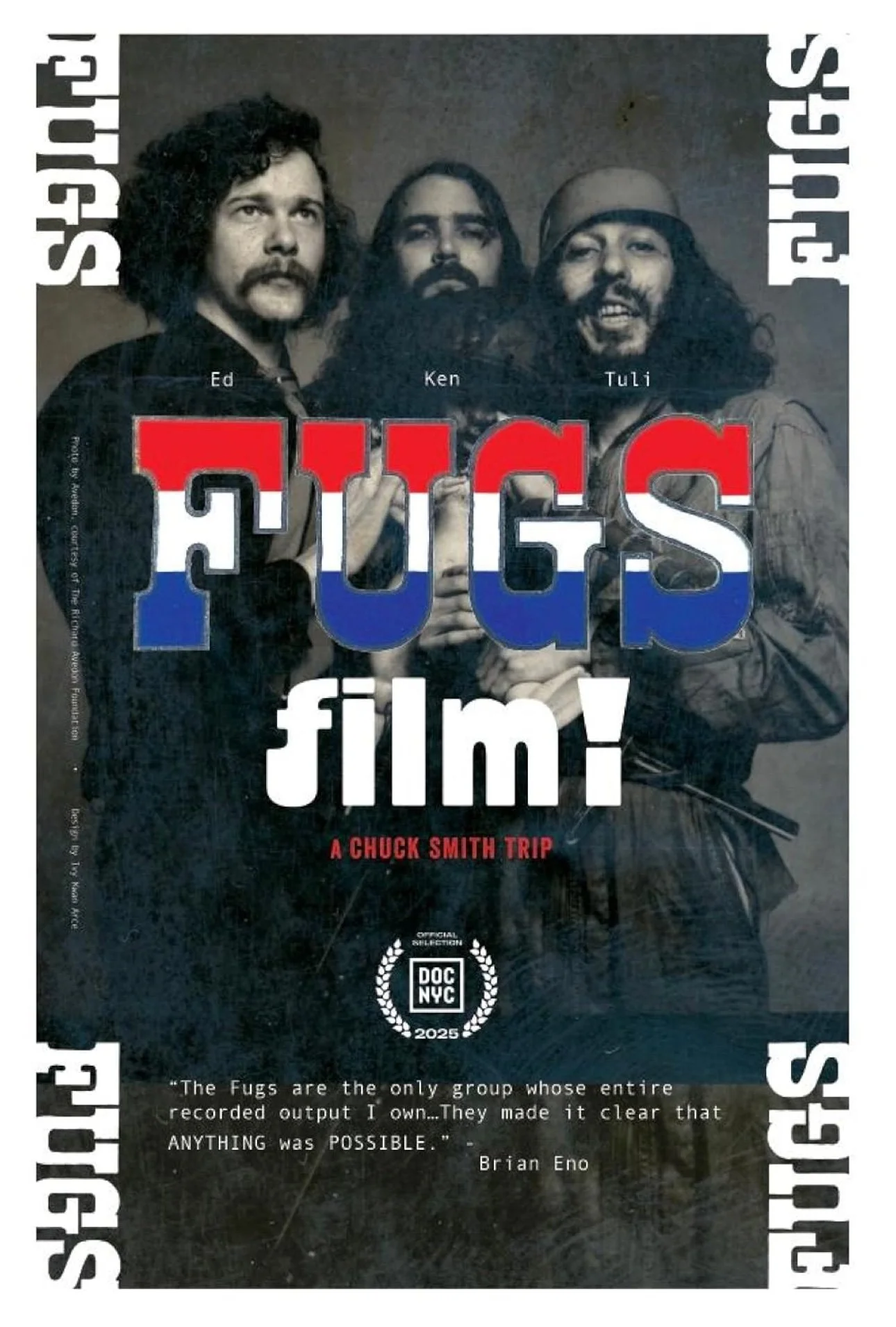
FUGS FILM! — a Chuck Smith trip (poster art)
After filmmaker Chuck Smith sent me a pre-screener of his documentary FUGS FILM! — which inspired me to make a "Let's Talk Artists You May Not Know, But You Should Know!" episode on The Fugs — he agreed to answer five questions about the film, the band's legacy, and where a newcomer should start listening.
Long before punk rock, The Fugs were already challenging authority, offending polite society, and turning rock and roll into a vehicle for poetry, political protest, satire, and outright absurdity.
Formed in New York City in 1964 by poets Ed Sanders and Tuli Kupferberg, The Fugs became one of the most unconventional groups to emerge from the American counterculture.
Their story is now the subject of FUGS FILM!, a documentary directed by filmmaker Chuck Smith, whose previous work includes Barbara Rubin & the Exploding Plastic Underground.
I recently had the opportunity to watch the documentary after Chuck personally sent me a copy, which inspired me to explore the band's remarkable history in an episode of Let's Talk Artists You May Not Know, But You Should Know!
But I wanted to learn more about the making of the film itself.
How did Chuck become involved with The Fugs? What surprised him most while researching their history? And why does their music and message remain relevant more than sixty years after the band formed?
Chuck was kind enough to answer five questions about the documentary, the band's extraordinary legacy, and even where someone unfamiliar with The Fugs should begin listening.
And as it turns out, the whole project began with an unexpected email from Ed Sanders himself.
Here's my conversation with filmmaker Chuck Smith.

Filmmaker Chuck Smith
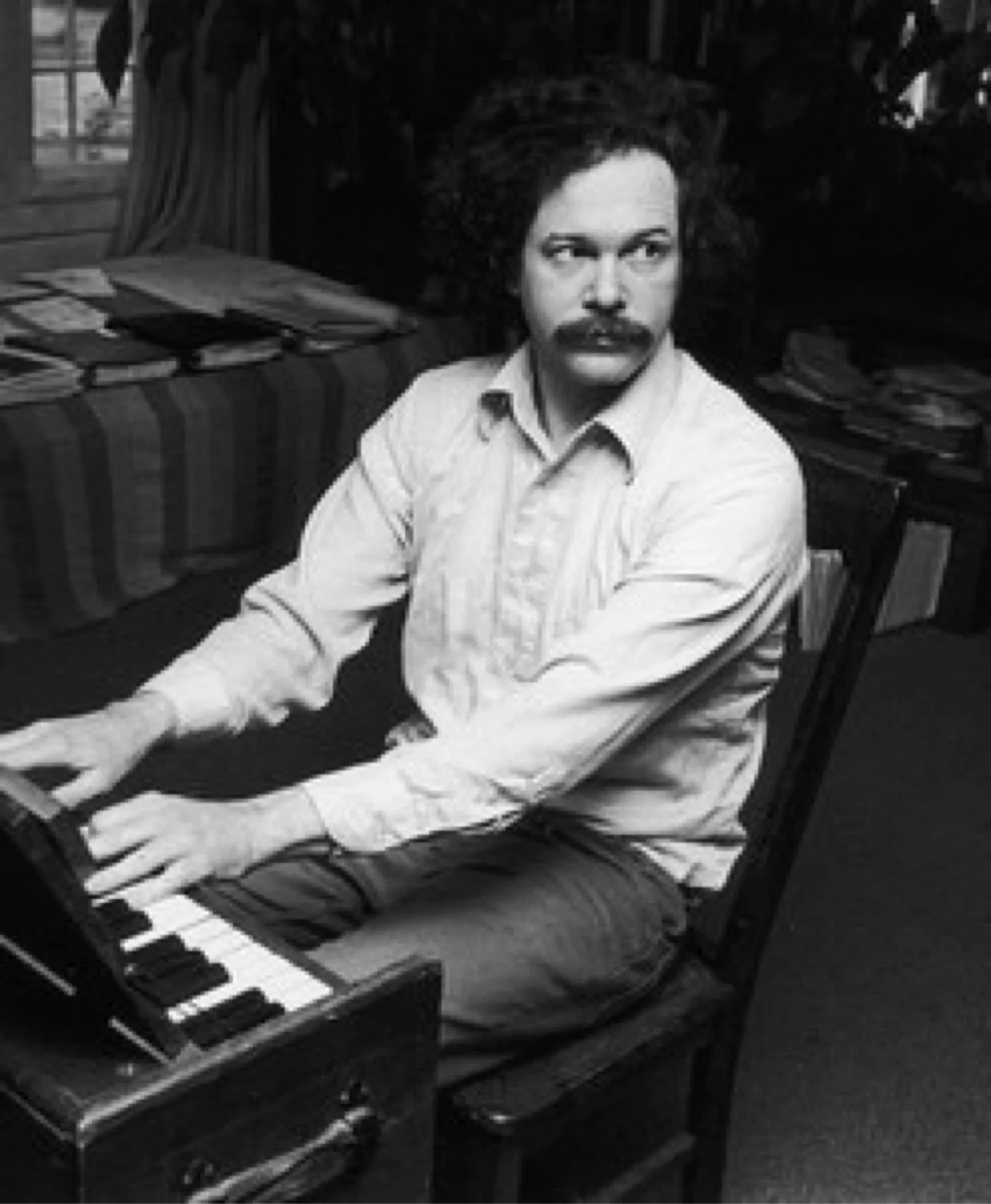
Ed Sanders — “The Toe Queen” poems
1. What first drew you to The Fugs, and when did you realize there was a documentary in their story?
Chuck Smith: I actually never really listened to The Fugs growing up, but I heard of them. Their reputation as a crazy, goofy band came first, and the first few songs I heard ("Boobs a Lot"!) confirmed that.
But I never thought of doing a film on them until Ed Sanders emailed me and asked me if I'd be interested. He had seen my film on his friend, the legendary 1960s underground filmmaker Barbara Rubin (Barbara Rubin & the Exploding Plastic Underground), and he liked it a lot. He also knew that his friend Jonas Mekas had liked and trusted me. In truth, I was hoping to get away from the 1960s period for my next project, but… I knew immediately that The Fugs were too good of a story to turn down. Because I knew that it would be much more than a typical film about a band. Plus, Ed had an enormous archive of photos and material, and he controlled most of the music rights.
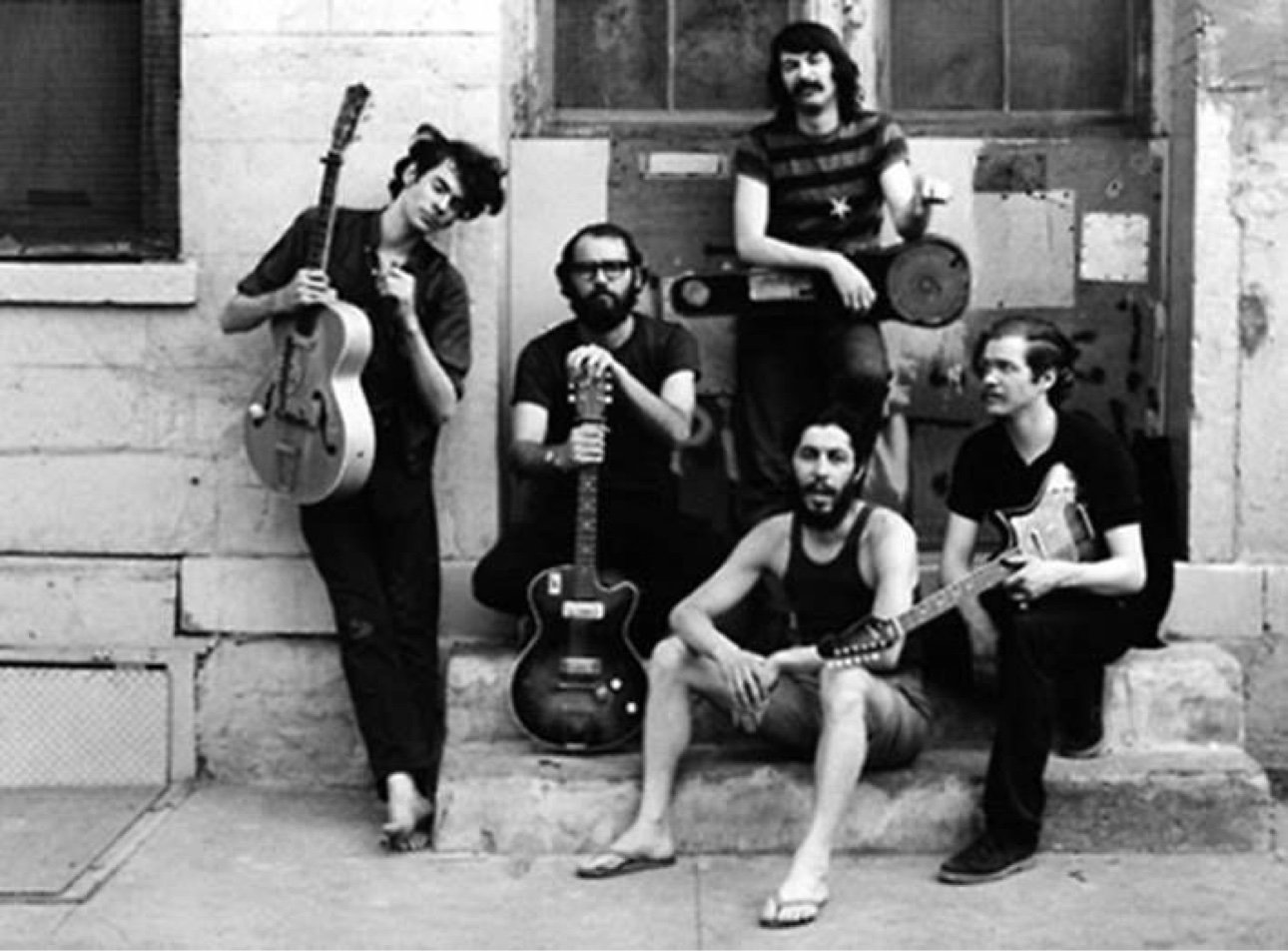
The Fugs
2. The Fugs were musicians, poets, activists, comedians and professional troublemakers all at once. After spending so much time with their story, how would you describe what they actually were?
Chuck Smith: They were ALL the things you mentioned and more! Publishers, exhibitionists, provocateurs, etc. But I think "anarchists" is a very good word for The Fugs. It's a word that gets a bad rap sometimes, but it means people who question and reject most forms of authority and the power behind it. The Fugs wanted to be free from societal norms and they mostly succeeded in doing that. You could think of the original Mad Magazine (which they read as kids) as their bible.
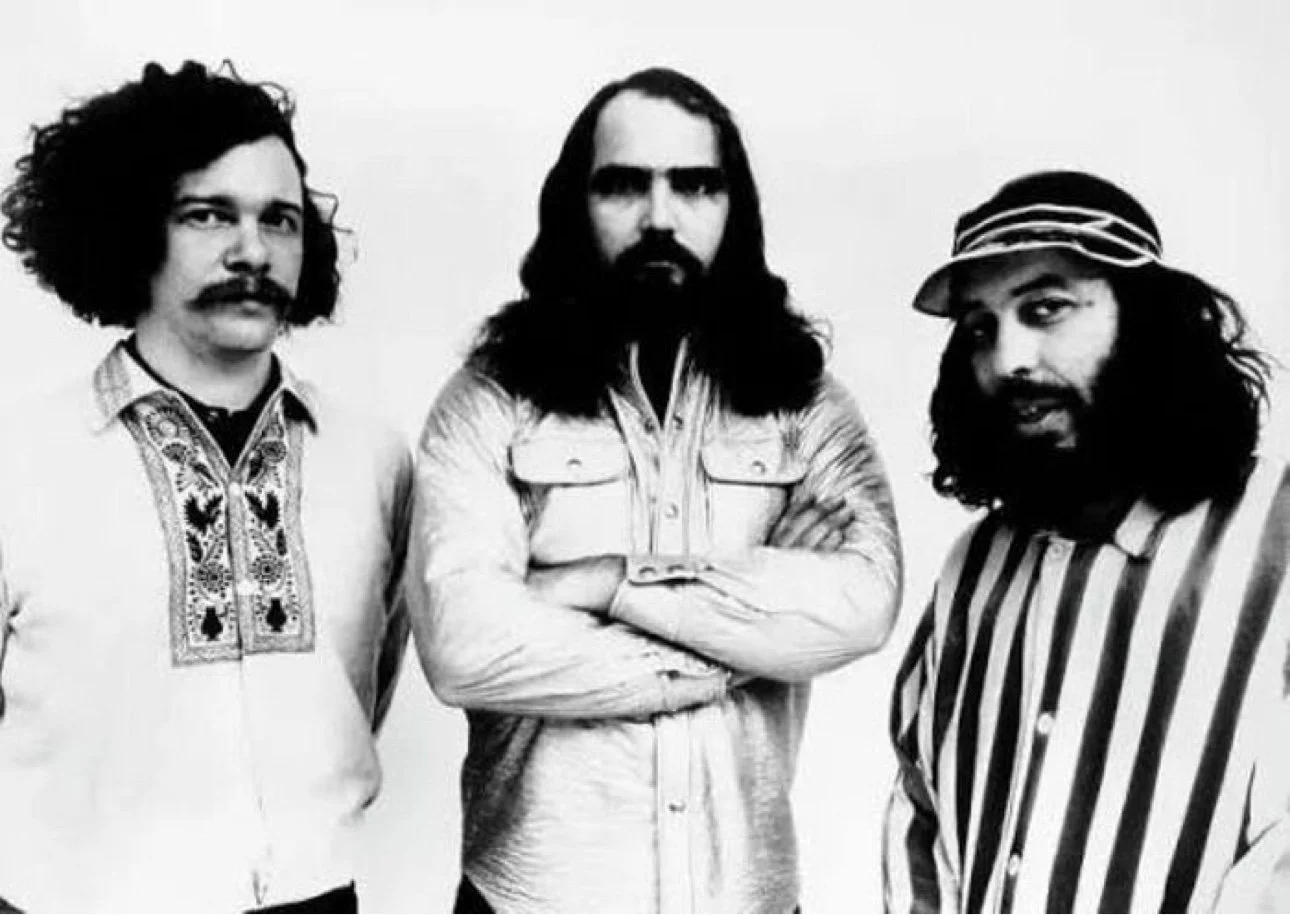
The Fugs
3. Was there anything you discovered while making "FUGS FILM!" that genuinely surprised you or changed the way you thought about the band?
Chuck Smith: Yes, lots of things. But perhaps the most surprising was how diverse their music actually was. If you know The Fugs a little, you might know their more humorous or confrontational songs like "Nothing," "Kill for Peace," or "Slum Goddess of the Lower East Side" — but they created some very beautiful songs and music as well, like "Morning, Morning," "Life is Strange," and all the orchestral stuff on the later albums.
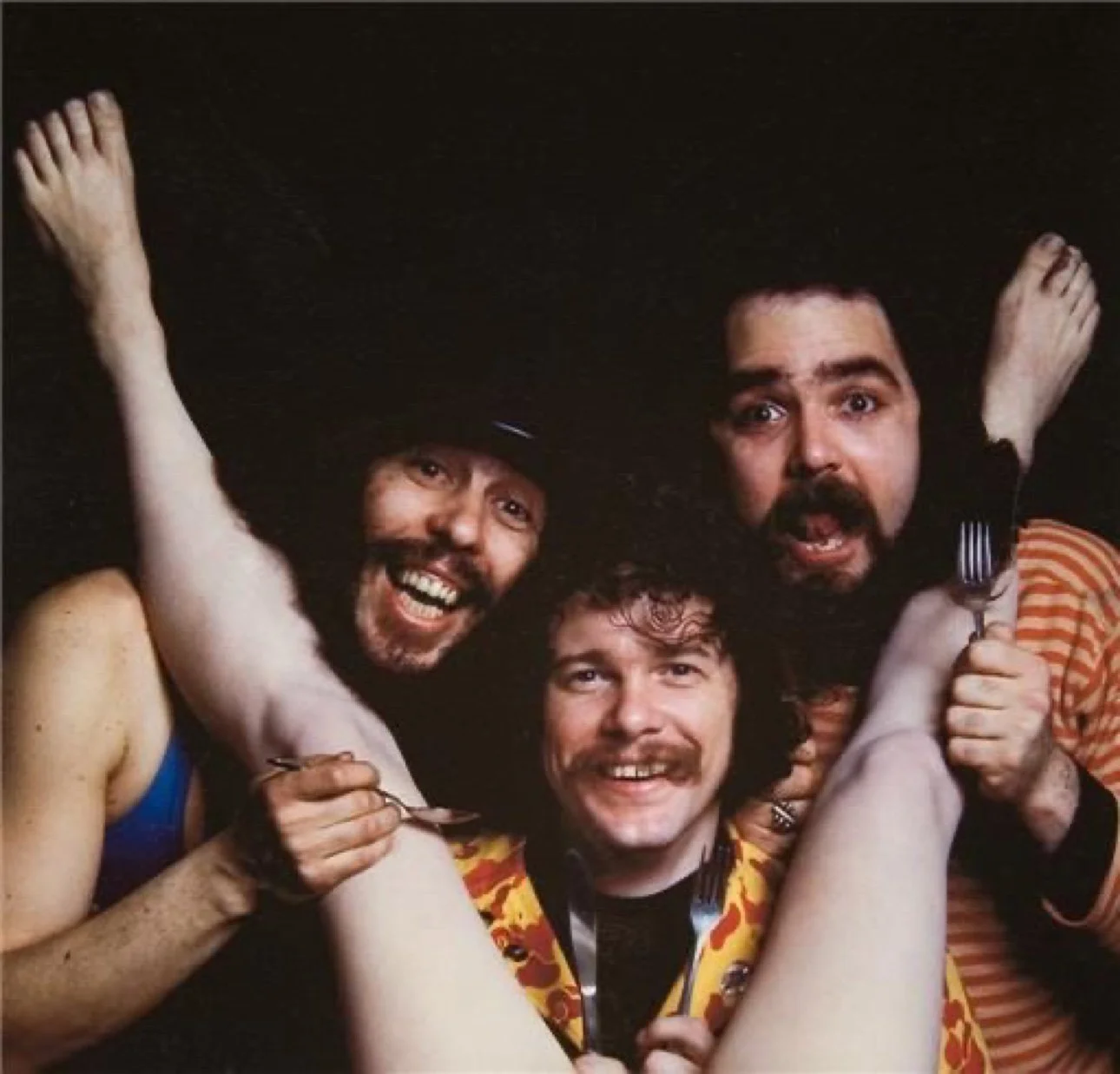
Ed Sanders
4. The Fugs came out of such a specific moment in 1960s New York, but so much of what they were singing and protesting about still feels strangely relevant. Why do you think their story still connects today?
Chuck Smith: Great question! If you look at the headlines, it's kind of amazing that nothing seems to have changed politically since the 1960s. In fact, it might be even worse! We're still fighting wars that we can't win — Iran instead of Vietnam, but same thing. And The Fugs' song "CIA Man" could've been written about Venezuela! The military/industrial complex is more powerful than ever, and government censorship is rampant. In the '60s, The Fugs were battling a more obvious form of censorship, but today it's more subtle but WAY more powerful — via social media and AI. So yeah, we need The Fugs now more than ever!
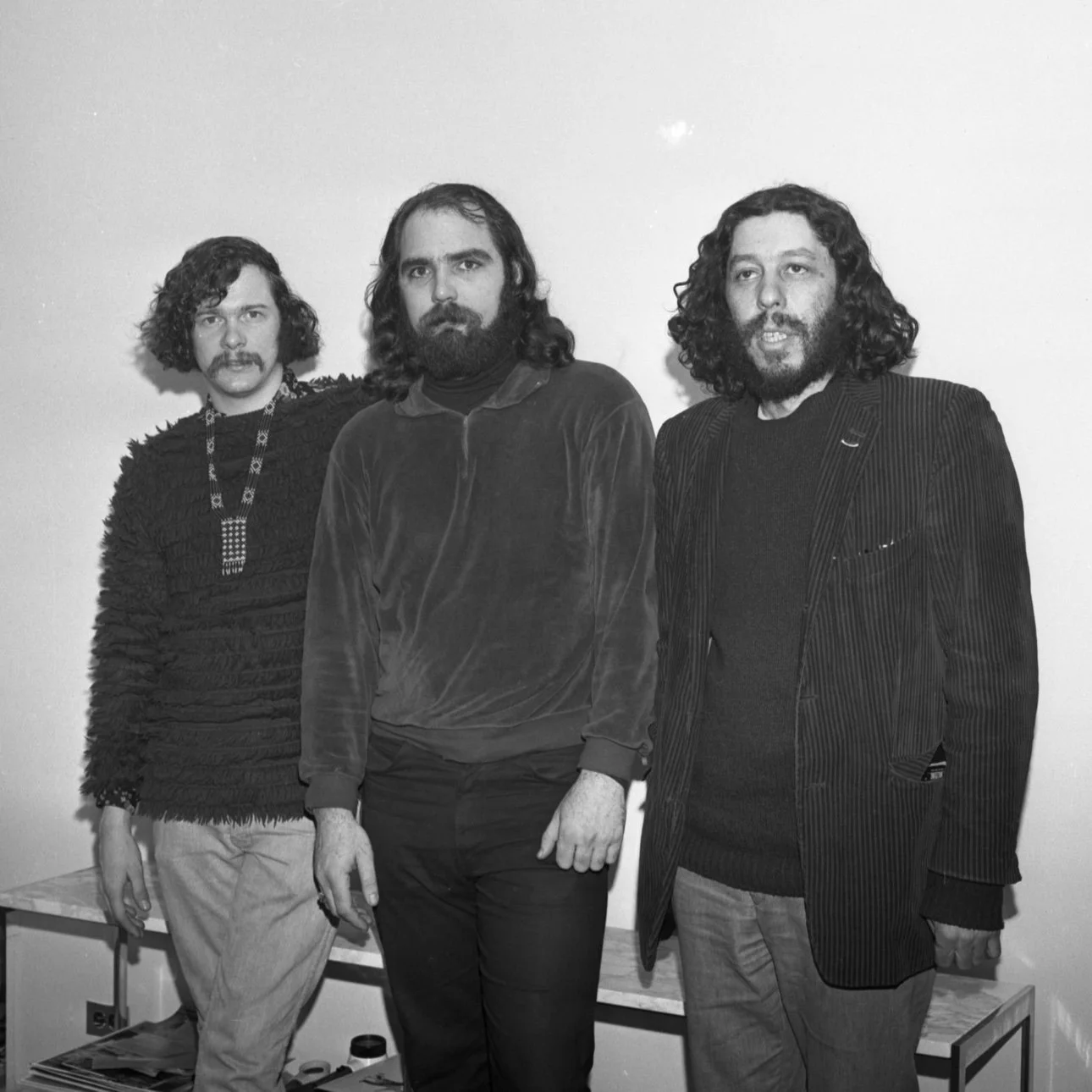
The Fugs
5. For somebody who has never heard The Fugs before, what song or record would you tell them to start with — and why?
Chuck Smith: That's a hard question. I'm not sure anyone could sit down and listen to an entire Fugs album and love every minute of it. Their songs are incredibly diverse and intentionally challenging sometimes. A lot of people say that their 2nd album with "Morning, Morning" is their best work, but R. Crumb thinks their first album is the best. My favorite songs are the groovy, sweeter ones like "The Garden Is Open" and "I Want to Know," so that might be a good place to start. Better yet, watch the movie and you'll hear all my favorites, and a lot of great music. That reminds me — I need to do a soundtrack playlist and maybe even an album! Thanks, Babyface!
Watch the film
FUGS FILM!, directed by Chuck Smith, tells the story of The Fugs — poets, provocateurs, and accidental rock and rollers who turned the Lower East Side into a stage for protest and absurdity. If this conversation sent you down the rabbit hole, start with the groovy ones ("Morning, Morning," "The Garden Is Open") — then watch the movie and hear the rest.
For more on Ed Sanders, read Garth Cartwright’s Guardian interview. Cartwright hosts the post-screening Q&A with director Chuck Smith.